Palm Springs highlight
Iconic mid-century modern architecture
A desert innovation hub where modernist architects including Albert Frey designed public buildings and residences during the 1950s and 1960s.
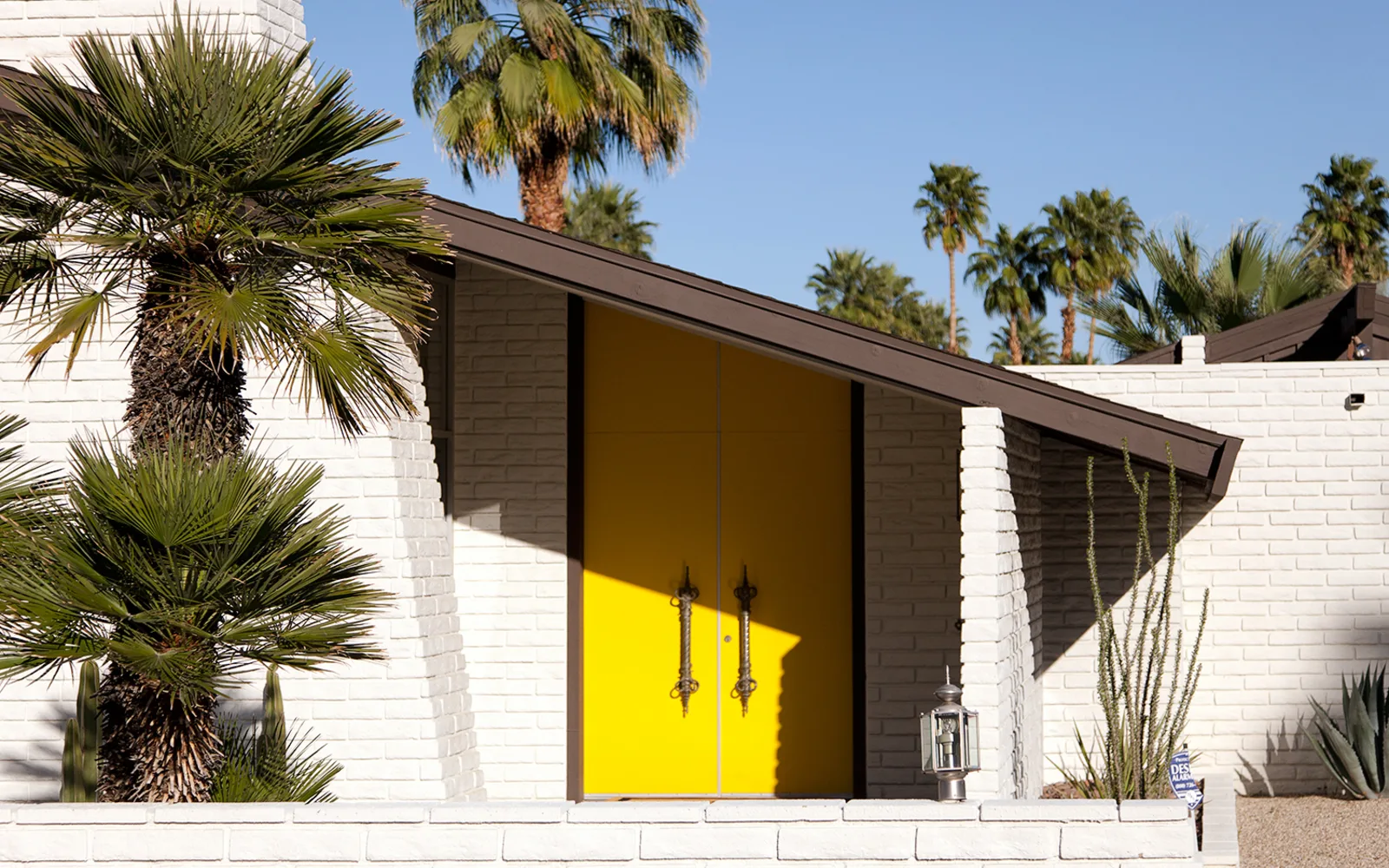
Palm Springs emerged as a center for modernist design during the post-World War II era, when architects recognized the desert's clean lines and strong light as a canvas for progressive ideas. Albert Frey, a Swiss-born architect who studied under Le Corbusier, designed Palm Springs City Hall in the early 1950s and the iconic Aerial Tramway Valley Station, which opened in 1963 as the world's largest rotating aerial tramway. The city's architectural character reflects a deliberate embrace of open plans, large windows, and materials suited to the climate—hallmarks of what became known as desert modernism.
The 1950s and 1960s brought residential innovation to match the public buildings. Homes designed during this era integrated indoor-outdoor living and used glass and steel to blur boundaries between architecture and landscape. The Palm Springs Historical Society maintains archives and exhibits documenting this period, and the city's commitment to preservation has attracted architecture enthusiasts and scholars worldwide. Modernism Week, an annual event, now draws thousands to explore the city's collection of mid-century properties and hear talks from historians and preservationists.
For families living in these distinctive homes, the value of that architecture—and the permanence of the neighborhoods they anchor—is part of the reason to plan ahead. Life insurance that protects a mortgage, a business, or the stability of a household for the years while children grow is as foundational as the homes themselves.